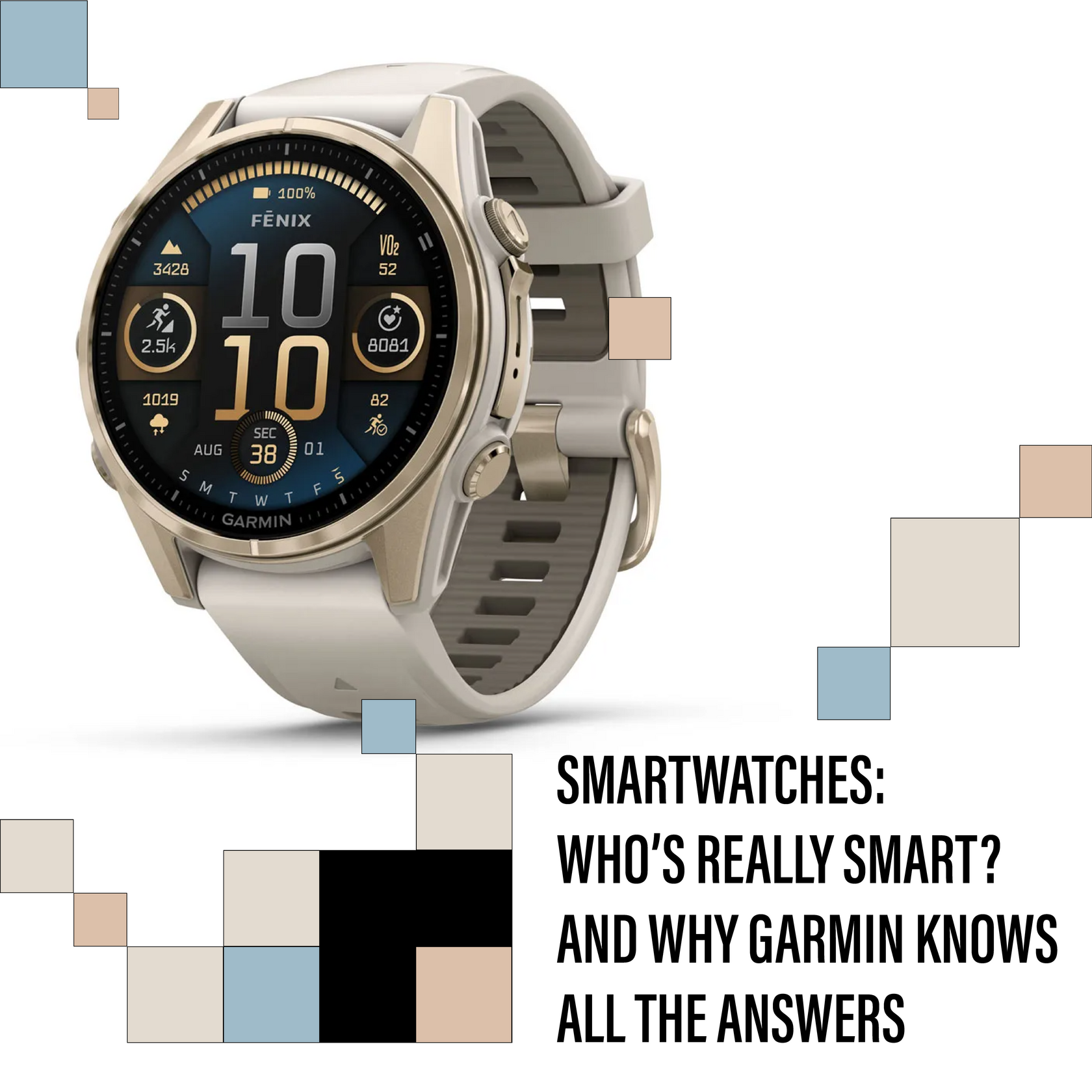
If you're anything like me—a tech lover and an avid user—you know how transformative the right device can be. Today, I want to highlight what might seem like just another trendy gadget but is truly a powerhouse in disguise: my Garmin smartwatch. Think it’s just a flashy accessory? Think again. This isn’t merely a watch—it’s the Swiss Army knife of tech, and here’s why it has earned a place on my wrist.
Why Do Smartwatches Need to Be Smart?
Smartwatches were supposed to make us all-powerful, promising to replace our phones, schedules, and fitness trackers. Yet, most fell short, buzzing unnecessarily or needing a recharge faster than we can say, “Where’s my charger?” Garmin stands out for a reason: it didn’t just make a “smart” watch; it made a genuinely useful one.
Key Metrics Explained
1. Heart Rate Variability (HRV):
HRV measures the variations between heartbeats—higher variability generally indicates better recovery. Garmin tracks HRV in real time, showing both your current heart rate and your body’s readiness for the next intense workout.
2. Functional Threshold Power (FTP):
For cyclists, FTP is a critical metric that measures the maximum power you can maintain before exhaustion. Garmin monitors FTP, helping you gauge your “engine’s” performance and decide when it’s time to shift—both literally and figuratively.
Why Choose a Smartwatch Over a Smartphone?
Picture this: you're 87 km into a race, speeding through the Basque Country, adrenaline high, and sweat pouring down. Your phone buzzes, buried in a pocket. With Garmin, crucial updates are right on your wrist, keeping you focused on the race rather than fumbling for a phone. This is more than convenience; it’s essential in the heat of competition.
Real-Life Test: Racing in Eastern Europe
This July, I took on a 90.98 km bike race across Eastern Europe, clocking in at 2 hours, 52 minutes, and 17 seconds. My Garmin recorded speed, distance, elevation, heart rate, and even HRV. As I hit a steep section, the watch reminded me to ease up and prevent burnout. Afterward, Garmin’s detailed report helped me adjust my training plan—insights that a smartphone simply couldn’t offer.
Why Garmin Leads the Pack
When it comes to smartwatches, Garmin is unmatched. Some models track steps or show notifications, but Garmin goes beyond, especially with battery life. My watch can go for weeks without charging—a major advantage over other watches that barely survive a day or two.
Case in Point: Road Racing in the Basque Country
During one of my favorite Spanish races, the Klasika Primavera, Garmin kept me informed on route, pace, heart rate, and FTP, helping me adjust speed and preserve energy on steep turns. This race is both challenging and unpredictable, but with Garmin, I could tackle it with confidence and efficiency.
Why Competing Watches Fall Short
Other smartwatches may look stylish, but Garmin delivers where it matters. The Apple Watch, for example, is impressive, but with limited battery life and fewer sports metrics, it’s not ideal for an outdoor race or an intense workout session. Garmin offers a consistent, reliable experience, regardless of whether you’re deep in a forest or halfway through a marathon.
Bottom Line: A Trainer, Partner, and Friend in One
Garmin isn’t just a watch; it’s a coach, a teammate, and a personal assistant. It delivers the insights you need without distractions, allowing you to focus on your goals instead of your phone. If you value peak performance and tech that supports your journey, Garmin is worth it.
So, which smartwatch truly deserves the title of “smart”? Garmin does—and it’s the clear choice for those who want a functional, trustworthy, and durable companion for every step, pedal, or heartbeat.