In markets like Dubai, luxury listings often arrive wrapped in the language of urgency: an exceptional residence, available now, unlikely to remain on the market for long. That framing is familiar. What interests me more is what a property like this actually signals about the direction of premium urban living.
A 2,200 square foot residence with three en-suite bedrooms, generous glazing, and a refined kitchen is not simply a product for sale. It reflects a broader evolution in how value is being defined in real estate. For years, luxury was measured primarily through exclusivity, finishes, and address. Today, those elements still matter — but increasingly, the deeper premium lies in livability.
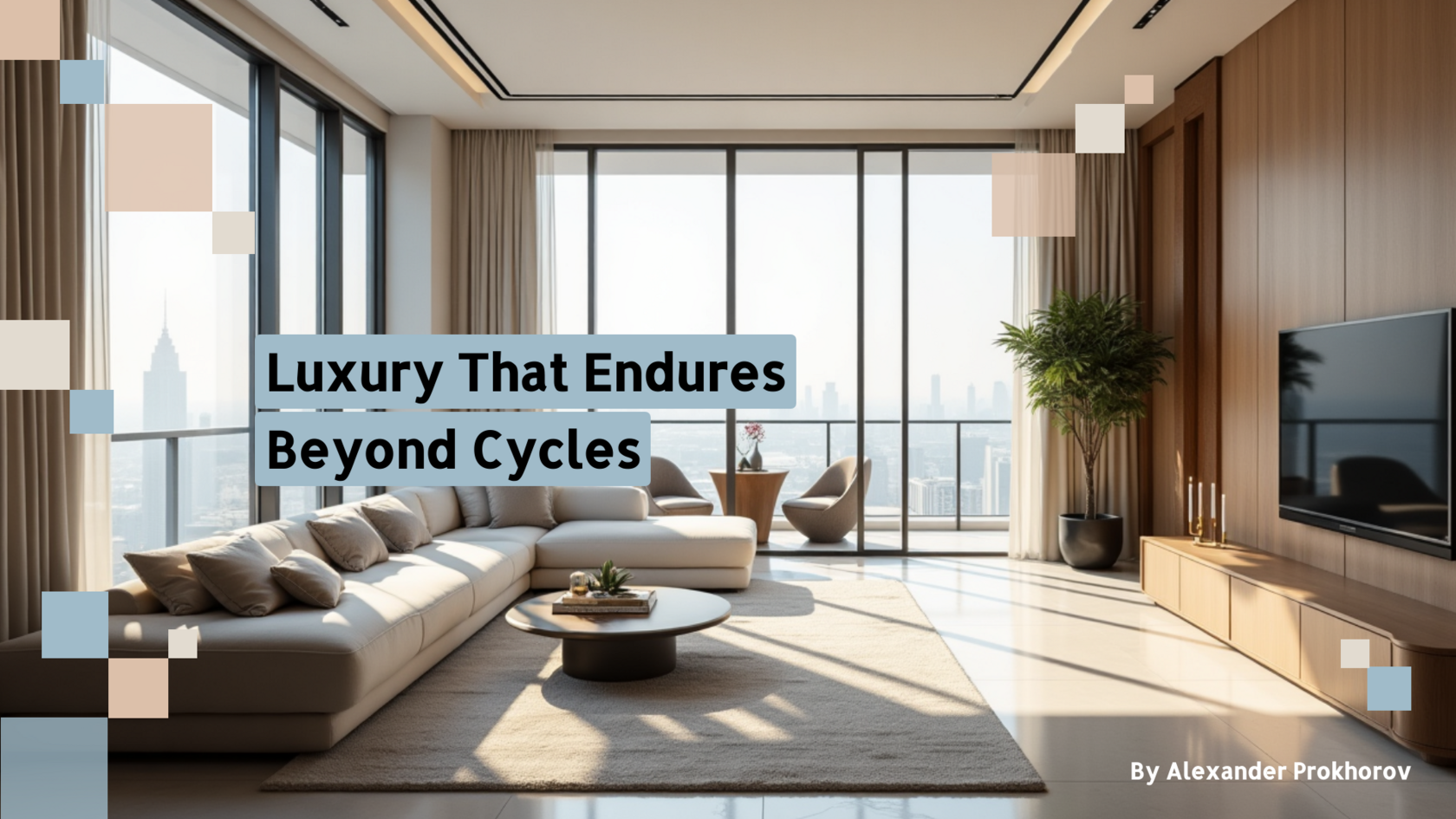
Floor-to-ceiling windows, for example, are often marketed as a visual indulgence. In practice, they are also about wellness, circadian rhythm, and the emotional quality of space. Natural light changes how a home is used, how people feel within it, and even how flexible the space becomes across the course of a day. In dense urban environments, these details are not aesthetic extras; they are part of the infrastructure of modern life.
The same is true of the “vacant on transfer” detail, which at first glance may seem purely transactional. Yet in strategic terms, immediacy has become a form of value in itself. In an era of volatile capital flows and increasingly mobile global residents, buyers are not only acquiring square footage — they are acquiring optionality. The ability to move in, reposition, lease, or hold without operational delay is a meaningful advantage.
This is where I believe the luxury segment must continue to mature. The next generation of high-end real estate should not stop at polished interiors and prestigious branding. It should think more ambitiously about resilience, energy performance, adaptability, and service ecosystems. A beautiful apartment in a landmark development is compelling. A beautiful apartment that also anticipates changing household structures, hybrid work, environmental pressures, and long-term asset durability is far more powerful.
Dubai, in many ways, is uniquely positioned to lead this conversation. It has the speed, ambition, and international perspective to redefine what future-ready urban housing looks like. But that requires moving beyond the old formula of spectacle. The real opportunity is to create homes that are not only impressive on first viewing, but intelligent over time.
That, to me, is where enduring value lives: not in the urgency of acquisition, but in the quiet confidence that a space will remain relevant, useful, and deeply human five or ten years from now.
Perhaps the most important question behind any luxury residence is not how quickly it will sell, but how well it will age.
A 2,200 square foot residence with three en-suite bedrooms, generous glazing, and a refined kitchen is not simply a product for sale. It reflects a broader evolution in how value is being defined in real estate. For years, luxury was measured primarily through exclusivity, finishes, and address. Today, those elements still matter — but increasingly, the deeper premium lies in livability.
Floor-to-ceiling windows, for example, are often marketed as a visual indulgence. In practice, they are also about wellness, circadian rhythm, and the emotional quality of space. Natural light changes how a home is used, how people feel within it, and even how flexible the space becomes across the course of a day. In dense urban environments, these details are not aesthetic extras; they are part of the infrastructure of modern life.
The same is true of the “vacant on transfer” detail, which at first glance may seem purely transactional. Yet in strategic terms, immediacy has become a form of value in itself. In an era of volatile capital flows and increasingly mobile global residents, buyers are not only acquiring square footage — they are acquiring optionality. The ability to move in, reposition, lease, or hold without operational delay is a meaningful advantage.
This is where I believe the luxury segment must continue to mature. The next generation of high-end real estate should not stop at polished interiors and prestigious branding. It should think more ambitiously about resilience, energy performance, adaptability, and service ecosystems. A beautiful apartment in a landmark development is compelling. A beautiful apartment that also anticipates changing household structures, hybrid work, environmental pressures, and long-term asset durability is far more powerful.
Dubai, in many ways, is uniquely positioned to lead this conversation. It has the speed, ambition, and international perspective to redefine what future-ready urban housing looks like. But that requires moving beyond the old formula of spectacle. The real opportunity is to create homes that are not only impressive on first viewing, but intelligent over time.
That, to me, is where enduring value lives: not in the urgency of acquisition, but in the quiet confidence that a space will remain relevant, useful, and deeply human five or ten years from now.
Perhaps the most important question behind any luxury residence is not how quickly it will sell, but how well it will age.