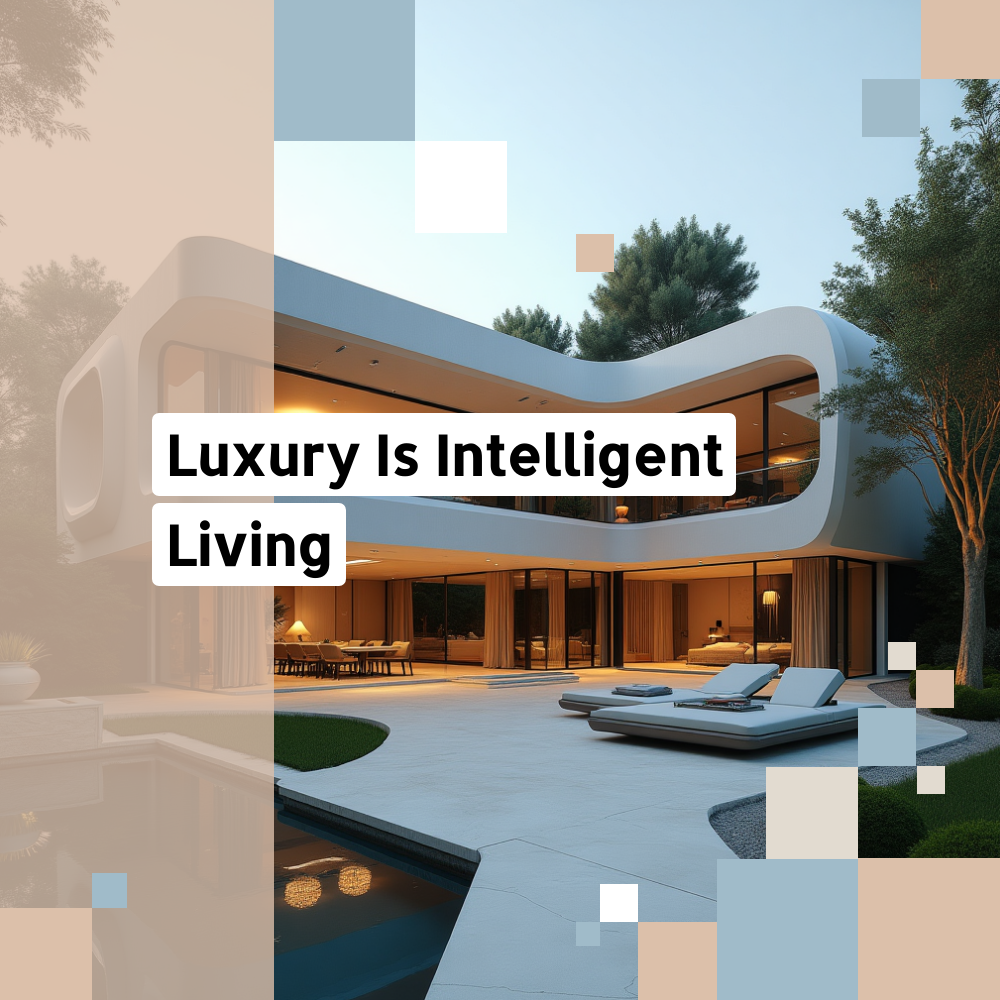
Luxury real estate is often presented as a collection of features: a chandelier, a spa suite, a garden, automation, privacy. But the more interesting question is not what a home contains — it is what these elements suggest about where high-end residential design is heading.
When I look at a villa like this, I see a useful tension between spectacle and systems thinking. A bespoke Preciosa chandelier, for example, is clearly a statement piece. Yet in mature real estate markets, true value is no longer created by statement alone. It comes from the coherence of the whole environment: how beauty, comfort, climate responsiveness, and daily ritual are integrated into a single living experience.
The private garden with its own irrigation system is especially telling. In many regions, landscaping is still treated as decorative afterthought. That is a missed opportunity. Green space, when designed intelligently, becomes environmental infrastructure. It cools microclimates, supports well-being, softens density, and reminds us that even in highly engineered homes, nature remains essential. The future of premium development will not be defined by imported excess, but by how elegantly we work with local climate, water management, and biodiversity.
The same is true of the wellness-focused master suite. A hammam, infrared sauna, and rain shower reflect a broader shift I’ve seen over the past decade: the home is no longer just a shelter or status symbol. It is becoming a personal ecosystem for restoration. This matters beyond luxury. What begins at the top end of the market often foreshadows wider residential demand. Wellness, privacy, and control are no longer niche aspirations — they are shaping the baseline expectations of future housing.
Technology is another important layer here. Full home automation and smart glass for privacy are not impressive merely because they are advanced. Their real significance lies in invisibility. The best technology in a home should reduce friction, not create theater. It should anticipate needs, improve energy performance, and give residents a stronger sense of calm. Too often, developers mistake “smart” for complicated. In reality, intelligence in the built environment should feel almost human: present, responsive, and quiet.
Even the retractable pergolas with integrated climate control point toward a larger idea — the dissolving boundary between indoor and outdoor living. As cities become hotter and denser, adaptable transitional spaces will become increasingly important. They are not luxuries in the abstract; they are prototypes for climate-aware habitation.
For me, that is the deeper lesson. The most compelling homes today are not simply more luxurious. They are more adaptive, more personal, and potentially more responsible. The question is whether we will use these innovations only to impress, or to redefine how living well can also mean living wisely.
When I look at a villa like this, I see a useful tension between spectacle and systems thinking. A bespoke Preciosa chandelier, for example, is clearly a statement piece. Yet in mature real estate markets, true value is no longer created by statement alone. It comes from the coherence of the whole environment: how beauty, comfort, climate responsiveness, and daily ritual are integrated into a single living experience.
The private garden with its own irrigation system is especially telling. In many regions, landscaping is still treated as decorative afterthought. That is a missed opportunity. Green space, when designed intelligently, becomes environmental infrastructure. It cools microclimates, supports well-being, softens density, and reminds us that even in highly engineered homes, nature remains essential. The future of premium development will not be defined by imported excess, but by how elegantly we work with local climate, water management, and biodiversity.
The same is true of the wellness-focused master suite. A hammam, infrared sauna, and rain shower reflect a broader shift I’ve seen over the past decade: the home is no longer just a shelter or status symbol. It is becoming a personal ecosystem for restoration. This matters beyond luxury. What begins at the top end of the market often foreshadows wider residential demand. Wellness, privacy, and control are no longer niche aspirations — they are shaping the baseline expectations of future housing.
Technology is another important layer here. Full home automation and smart glass for privacy are not impressive merely because they are advanced. Their real significance lies in invisibility. The best technology in a home should reduce friction, not create theater. It should anticipate needs, improve energy performance, and give residents a stronger sense of calm. Too often, developers mistake “smart” for complicated. In reality, intelligence in the built environment should feel almost human: present, responsive, and quiet.
Even the retractable pergolas with integrated climate control point toward a larger idea — the dissolving boundary between indoor and outdoor living. As cities become hotter and denser, adaptable transitional spaces will become increasingly important. They are not luxuries in the abstract; they are prototypes for climate-aware habitation.
For me, that is the deeper lesson. The most compelling homes today are not simply more luxurious. They are more adaptive, more personal, and potentially more responsible. The question is whether we will use these innovations only to impress, or to redefine how living well can also mean living wisely.