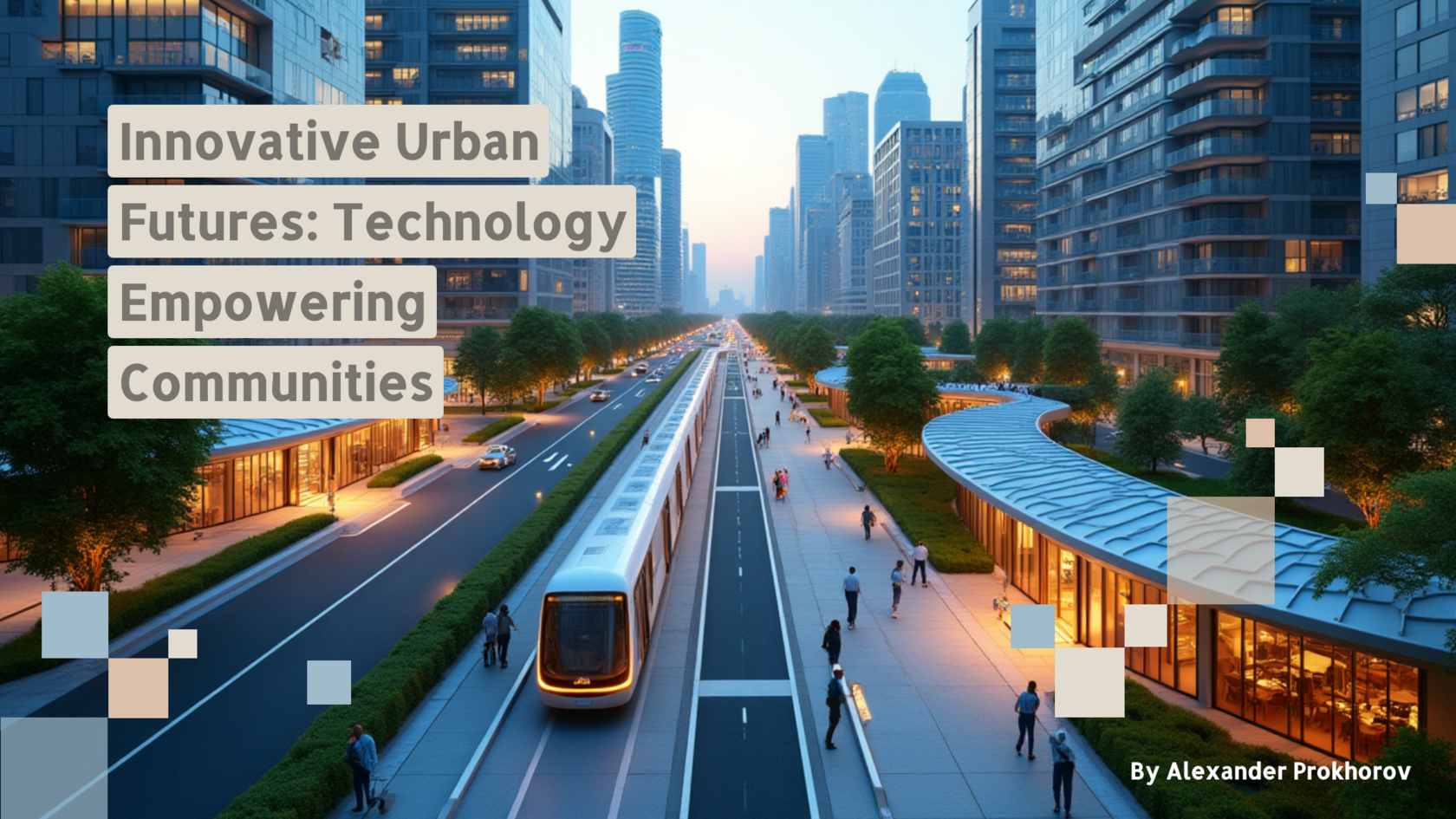
In recent years, the dialogue surrounding urban development and real estate has shifted from mere expansion to sustainable and intelligent growth. As someone deeply entrenched in land strategy and urban planning, I've observed a keen interest in harmonizing human needs with technological advancements and environmental considerations. This evolution isn't just necessary; it's inevitable.
Today's urban landscapes are teeming with potential. However, the way we harness this potential defines our success in crafting cities that are not just livable but thrive amid changing climates and social dynamics. The modern real estate landscape demands a forward-thinking approach that integrates global best practices, with a focus on creating spaces that are both adaptable and resilient.
One area ripe for exploration is the transformative role of technology in real estate. The rise of intelligent data analytics and AI-driven urban planning offers us unprecedented opportunities to predict trends, optimize land use, and enhance the quality of urban life. Imagine harnessing machine learning to anticipate urban sprawl or utilizing blockchain for transparent real estate transactions. These technologies empower us to shift from reactive to proactive urban planning, ensuring our cities are prepared for future challenges rather than playing catch-up.
Sustainability is another pillar reshaping our development ethos. With global climate concerns front and center, urban planners and developers must prioritize green building practices and renewable energy integration. Embedding sustainability into the core of our projects is no longer a luxury—it's a necessity. The interplay between innovation and sustainability could transform our cities into hubs of green technology and biodiversity, ultimately benefitting the planet and economy alike.
Yet, while technology and sustainability push us forward, we must never lose sight of the human element in urban development. The real estate industry should be seen not just as a business but as a service to humanity—where the focus is on creating environments that nurture community, well-being, and opportunity. It's about crafting spaces where people not only live and work but connect and evolve.
As we pursue these goals, perhaps the most challenging question remains: how do we balance technological innovation with its potential societal impacts? In our quest to build smarter cities, we must ensure that technology serves as a bridge rather than a barrier, fostering inclusivity and accessibility for all.
Reflecting on these considerations, we are poised at a pivotal moment in the story of our built environment. The real challenge—and opportunity—lies in our ability to craft solutions that are intelligent, sustainable, and inherently human-centric. As we glance toward the horizon, we must ask ourselves not what cities will look like in the future, but how they will feel. 🌍
Today's urban landscapes are teeming with potential. However, the way we harness this potential defines our success in crafting cities that are not just livable but thrive amid changing climates and social dynamics. The modern real estate landscape demands a forward-thinking approach that integrates global best practices, with a focus on creating spaces that are both adaptable and resilient.
One area ripe for exploration is the transformative role of technology in real estate. The rise of intelligent data analytics and AI-driven urban planning offers us unprecedented opportunities to predict trends, optimize land use, and enhance the quality of urban life. Imagine harnessing machine learning to anticipate urban sprawl or utilizing blockchain for transparent real estate transactions. These technologies empower us to shift from reactive to proactive urban planning, ensuring our cities are prepared for future challenges rather than playing catch-up.
Sustainability is another pillar reshaping our development ethos. With global climate concerns front and center, urban planners and developers must prioritize green building practices and renewable energy integration. Embedding sustainability into the core of our projects is no longer a luxury—it's a necessity. The interplay between innovation and sustainability could transform our cities into hubs of green technology and biodiversity, ultimately benefitting the planet and economy alike.
Yet, while technology and sustainability push us forward, we must never lose sight of the human element in urban development. The real estate industry should be seen not just as a business but as a service to humanity—where the focus is on creating environments that nurture community, well-being, and opportunity. It's about crafting spaces where people not only live and work but connect and evolve.
As we pursue these goals, perhaps the most challenging question remains: how do we balance technological innovation with its potential societal impacts? In our quest to build smarter cities, we must ensure that technology serves as a bridge rather than a barrier, fostering inclusivity and accessibility for all.
Reflecting on these considerations, we are poised at a pivotal moment in the story of our built environment. The real challenge—and opportunity—lies in our ability to craft solutions that are intelligent, sustainable, and inherently human-centric. As we glance toward the horizon, we must ask ourselves not what cities will look like in the future, but how they will feel. 🌍