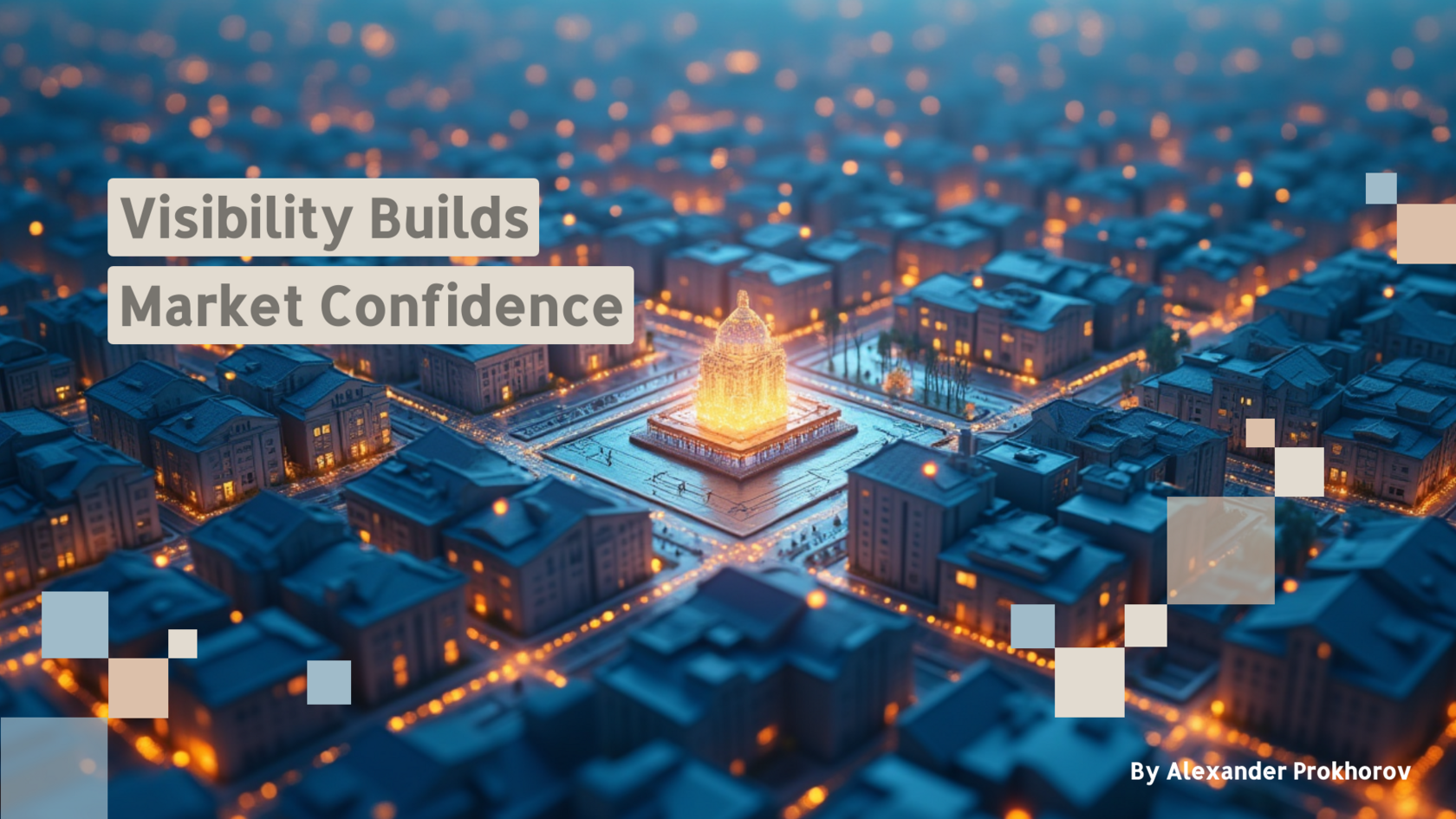
In real estate, visibility is often mistaken for value. They are not the same thing.
What I find interesting in Liam’s experience with Truebroker is not simply that a platform generated more leads or improved conversion. That is expected. Good distribution should improve performance. The more important question is what this says about the direction of our industry: we are moving from agent-centric brokerage models toward intelligence-centric ecosystems, where trust, exposure, and timing are increasingly shaped by technology.
For years, the market rewarded proximity and personal networks. Today, those still matter — but they are no longer sufficient. In volatile conditions, whether driven by geopolitical instability, economic uncertainty, or shifting buyer behavior, sellers do not just want an agent. They want resilience. They want systems that keep their property visible when the market becomes noisy.
That is where tools like Truebroker point to something bigger. Not just better marketing, but a new layer of market infrastructure.
As someone who has spent more than a decade working across land strategy, planning, and development, I have seen how real estate repeatedly underestimates distribution. We talk endlessly about location, product, and price, yet we often ignore the mechanism through which demand actually meets supply. In many cases, the bottleneck is not asset quality — it is market access.
This is especially relevant in cities that are growing faster than their institutional frameworks. As urban environments become more complex, the role of technology should not be limited to lead generation. It should evolve into something more meaningful: reducing friction, improving transparency, and helping the right property reach the right buyer with greater precision.
The best platforms will not replace real professionals. They will amplify the professionals who combine local knowledge with disciplined execution. Liam’s story reflects that balance well: being a top agent in his area mattered, but the technology extended his reach and made that expertise more visible. That combination is powerful.
Still, we should be careful not to confuse platform success with progress on its own. More exposure is useful, but the long-term opportunity is to build real estate systems that are not only more efficient, but more human. Systems that serve sellers under pressure, help buyers navigate uncertainty, and create healthier transaction ecosystems overall.
In that sense, this is not just a story about one tool working well. It is a reminder that the future of property will belong to those who understand that trust is no longer built only in person — it is also built through the invisible architecture of digital credibility.
And perhaps that leaves us with a quieter thought: in the next phase of real estate, will the most valuable asset be the property itself — or the network that makes it discoverable?
What I find interesting in Liam’s experience with Truebroker is not simply that a platform generated more leads or improved conversion. That is expected. Good distribution should improve performance. The more important question is what this says about the direction of our industry: we are moving from agent-centric brokerage models toward intelligence-centric ecosystems, where trust, exposure, and timing are increasingly shaped by technology.
For years, the market rewarded proximity and personal networks. Today, those still matter — but they are no longer sufficient. In volatile conditions, whether driven by geopolitical instability, economic uncertainty, or shifting buyer behavior, sellers do not just want an agent. They want resilience. They want systems that keep their property visible when the market becomes noisy.
That is where tools like Truebroker point to something bigger. Not just better marketing, but a new layer of market infrastructure.
As someone who has spent more than a decade working across land strategy, planning, and development, I have seen how real estate repeatedly underestimates distribution. We talk endlessly about location, product, and price, yet we often ignore the mechanism through which demand actually meets supply. In many cases, the bottleneck is not asset quality — it is market access.
This is especially relevant in cities that are growing faster than their institutional frameworks. As urban environments become more complex, the role of technology should not be limited to lead generation. It should evolve into something more meaningful: reducing friction, improving transparency, and helping the right property reach the right buyer with greater precision.
The best platforms will not replace real professionals. They will amplify the professionals who combine local knowledge with disciplined execution. Liam’s story reflects that balance well: being a top agent in his area mattered, but the technology extended his reach and made that expertise more visible. That combination is powerful.
Still, we should be careful not to confuse platform success with progress on its own. More exposure is useful, but the long-term opportunity is to build real estate systems that are not only more efficient, but more human. Systems that serve sellers under pressure, help buyers navigate uncertainty, and create healthier transaction ecosystems overall.
In that sense, this is not just a story about one tool working well. It is a reminder that the future of property will belong to those who understand that trust is no longer built only in person — it is also built through the invisible architecture of digital credibility.
And perhaps that leaves us with a quieter thought: in the next phase of real estate, will the most valuable asset be the property itself — or the network that makes it discoverable?