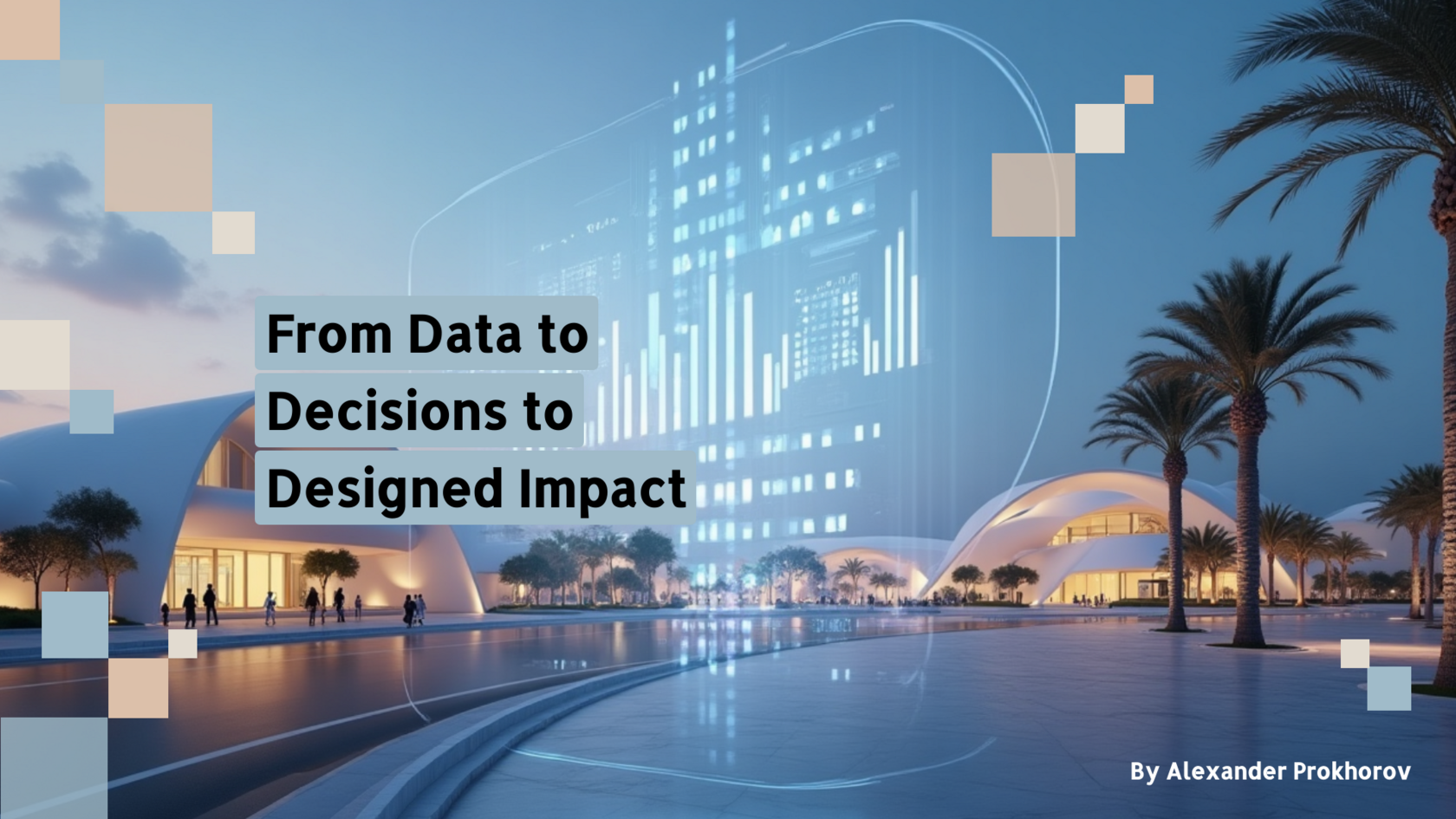
In our industry, a platform like Bayut represents more than just a lead generator—it signals a broader shift in how we conceptualize trust and intelligence in real estate ecosystems.
When Nuno Barbosa speaks of Bayut’s ability to provide both quality leads and in-depth data, he touches on what I consider to be one of the quiet revolutions in property development: the democratization of information. This is something I’ve seen ripple across markets, from Dubai’s waterfront zones to the urban corridors of Tokyo—wherever data becomes accessible, confidence follows.
We often romanticize the location, the view, the lifestyle attached to a property. But beneath every transaction lies a matrix of decisions driven by clarity. Comprehensive floor plans, comparative market analytics, and audience insights are not just tools—they are trust proxies. In high-stakes leasing markets like Saadiyat, where design excellence meets exclusivity, platforms like Bayut are shortening the distance between intent and action by making information interoperable and visually intuitive.
But here's where the vision deepens. If we project forward, this mode of data-driven engagement subtly nudges the market toward self-regulating behaviors. Transparent data discourages artificial pricing. Easy access to verified layouts reduces wasted showings. And a seamless client interface fosters ecosystems where tenants and landlords think in terms of long-term value rather than short-term margin.
That, in essence, is a form of urban sustainability—not the kind we often associate with green facades or carbon credits, but one based in behavioral alignment. A market that governs itself through shared insight invariably designs better, negotiates cleaner, and builds more responsibly.
From a planning perspective, I see further opportunity in how such platforms could evolve: imagine integrated zoning interpretations alongside listings; predictive modeling for infrastructure demand; real-time qualitative feedback shaping architectural typologies. The seeds are here. Technology is not just "supporting" real estate—it’s slowly becoming an extension of spatial intelligence itself.
Barbosa’s confidence in this interplay isn’t misplaced. As professionals, our role now is to guide these platforms toward deeper responsibilities—not just showcasing inventory, but shaping perceptions of urban behavior, of inclusivity, of resilience.
It makes me wonder: what happens when every stakeholder has the same depth of understanding as the advisor, the planner, or the investor? Does that flatten the terrain—or elevate the game?
When Nuno Barbosa speaks of Bayut’s ability to provide both quality leads and in-depth data, he touches on what I consider to be one of the quiet revolutions in property development: the democratization of information. This is something I’ve seen ripple across markets, from Dubai’s waterfront zones to the urban corridors of Tokyo—wherever data becomes accessible, confidence follows.
We often romanticize the location, the view, the lifestyle attached to a property. But beneath every transaction lies a matrix of decisions driven by clarity. Comprehensive floor plans, comparative market analytics, and audience insights are not just tools—they are trust proxies. In high-stakes leasing markets like Saadiyat, where design excellence meets exclusivity, platforms like Bayut are shortening the distance between intent and action by making information interoperable and visually intuitive.
But here's where the vision deepens. If we project forward, this mode of data-driven engagement subtly nudges the market toward self-regulating behaviors. Transparent data discourages artificial pricing. Easy access to verified layouts reduces wasted showings. And a seamless client interface fosters ecosystems where tenants and landlords think in terms of long-term value rather than short-term margin.
That, in essence, is a form of urban sustainability—not the kind we often associate with green facades or carbon credits, but one based in behavioral alignment. A market that governs itself through shared insight invariably designs better, negotiates cleaner, and builds more responsibly.
From a planning perspective, I see further opportunity in how such platforms could evolve: imagine integrated zoning interpretations alongside listings; predictive modeling for infrastructure demand; real-time qualitative feedback shaping architectural typologies. The seeds are here. Technology is not just "supporting" real estate—it’s slowly becoming an extension of spatial intelligence itself.
Barbosa’s confidence in this interplay isn’t misplaced. As professionals, our role now is to guide these platforms toward deeper responsibilities—not just showcasing inventory, but shaping perceptions of urban behavior, of inclusivity, of resilience.
It makes me wonder: what happens when every stakeholder has the same depth of understanding as the advisor, the planner, or the investor? Does that flatten the terrain—or elevate the game?