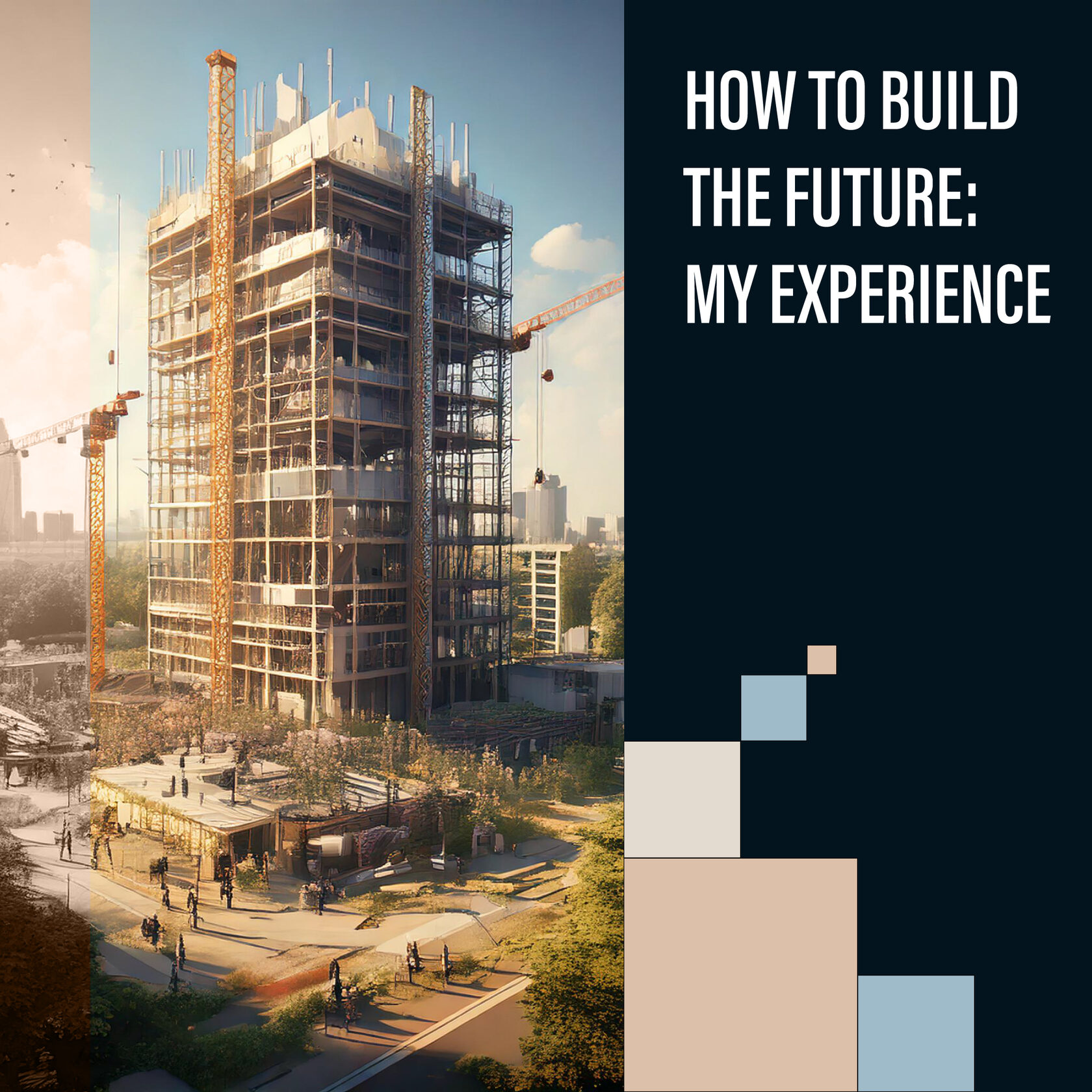
Over the past decade, I’ve been deeply involved in reshaping urban landscapes. Though bound by a non-disclosure agreement not to reveal the city I worked in, I can tell you it’s a sprawling metropolis with skyscrapers that kiss the clouds, a winding river, and a network of highways encircling it. I think that gives you an idea of the scale.
Foundations of Transformation: Urban Planning and Public-Private Partnerships (PPP)
Before diving into transforming abandoned industrial areas, I first studied successful urban projects globally. Cities like London, New York, and Melbourne became case studies, as did the work of renowned developers—Related Companies, Oxford Properties, Argent LLP, Lendlease, Brookfield Property Partners, and Mirvac—all known for their iconic contributions to the urban landscape.
Urban Planning: Beyond Zoning
Urban planning is not merely zoning or allocating land parcels; it’s a comprehensive approach to shaping a balanced urban environment that meets the needs of both residents and businesses. Think of it as a blueprint that defines the purpose of each space—be it residential, commercial, industrial, or recreational. For large cities, urban planning is an essential tool to optimize land use, revitalize infrastructure, and ultimately enhance investor appeal.
Public-Private Partnerships (PPP): A Collaborative Approach
A cornerstone of urban transformation lies in public-private partnerships. PPPs involve the city providing developers with land or favorable terms, and in return, developers commit to specific social or infrastructural goals. It’s a win-win: the city receives essential infrastructure backed by private investment, and developers achieve profitable, high-impact projects that contribute to the city’s growth.
Success Stories in Urban Transformation
- Hudson Yards, New York
- Related Companies and Oxford Properties transformed the West Side of Manhattan into a dynamic mix of residential, commercial, and public spaces, dramatically increasing property values and enhancing community life.
- King’s Cross, London
- Through collaboration with Argent LLP and Google, the redevelopment of this former industrial site created a vibrant urban hub complete with corporate offices, residential areas, and public spaces.
- Docklands, Melbourne
- Formerly an industrial port, Melbourne’s Docklands was converted into a thriving residential and business district, thanks to partnerships with developers like Lendlease and Mirvac.
Bringing It All Home: A Blueprint for Transformation
Drawing on these international examples, I led the development of a tailored solution for our city. Each neglected industrial zone was re-envisioned to become appealing to developers and redesigned as “micro-cities,” each with its own schools, hospitals, housing, office spaces, and recreational areas.
The Value of Urban Transformation
The benefits of these projects are substantial. The city gains much-needed infrastructure, and developers secure promising ventures with considerable return on investment. For residents, the surrounding property values increase, enhancing personal wealth. This holistic approach to urban planning creates sustainable environments that integrate both public and business interests, fortifying the city against economic challenges.
For me, urban transformation is more than just a job; it’s an investment in the future. These projects build cities that enrich lives, nurture growth, and strengthen resilience. When a city flourishes, its people thrive—because ultimately, success for a city means success for its citizens.