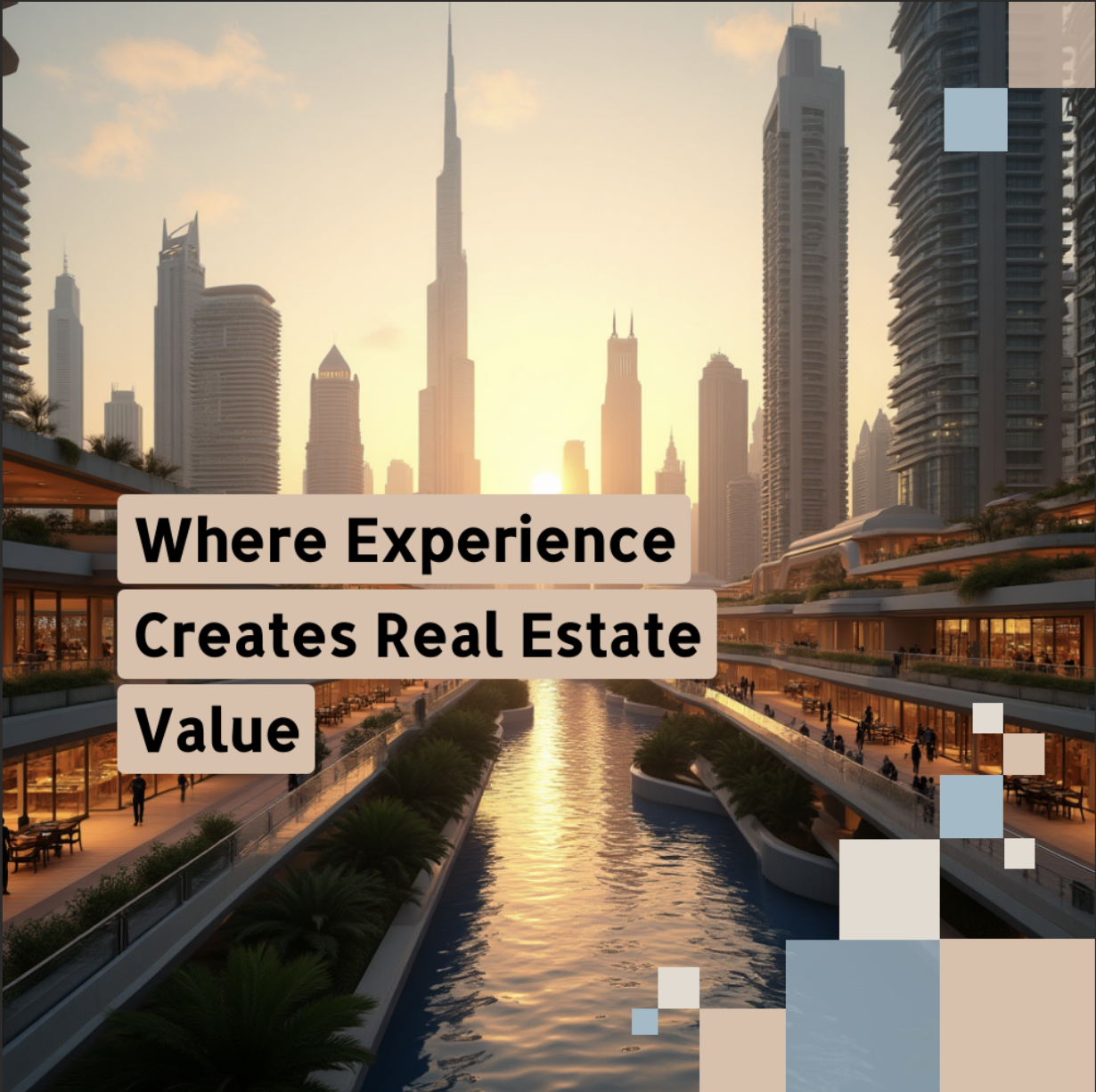
Downtown Dubai is often discussed through the familiar language of prestige: iconic towers, landmark views, premium addresses, strong rental demand. All of that is true. But for me, the more interesting question is not why this district performs well today — it is why places like this continue to hold their value in a world where the meaning of “location” is being rewritten by technology, mobility, and changing human expectations.
Yes, proximity to Dubai Mall and Burj Khalifa matters. It matters commercially, symbolically, and emotionally. People do not just buy square meters; they buy access, identity, and time. In a city where movement and visibility shape everyday life, Downtown’s strategic position translates into both liquidity and resilience. That is why projects such as The Lofts, Burj Vista, or The Address Residences remain relevant to investors: they are not isolated buildings, but products embedded in a larger urban narrative.
Still, I believe the next phase of real estate thinking requires us to go beyond the traditional investment lens of “view + brand + yield.” A district cannot rely forever on landmark adjacency alone. The truly durable urban asset is one that performs across multiple cycles — tourism, end-user demand, rental absorption, climate adaptation, and quality of life. In that sense, Downtown Dubai offers an important lesson: density becomes valuable only when it is paired with walkability, mixed-use convenience, public realm quality, and a coherent sense of place.
This is where innovation in real estate must become more disciplined and more human. We already have the tools to understand how districts function beyond brochures — mobility data, occupancy trends, short-term rental behavior, energy performance metrics, even sentiment analysis around neighborhood experience. The future investor, and certainly the future planner, will not evaluate an address only by price per square foot, but by its long-term urban intelligence.
There is also a sustainability dimension here that deserves more attention. High-value central districts should not simply be luxury enclaves with spectacular fountain views. They should become testing grounds for more efficient buildings, better pedestrian comfort, smarter utility systems, and a richer mix of housing typologies. If a place has the resources, visibility, and demand that Downtown Dubai has, then it also has a responsibility to lead.
What I find most compelling about prime urban districts is not their glamour, but their potential to influence how cities grow next. The real opportunity is not just to sell proximity to icons — it is to create environments where convenience, investment logic, and human well-being reinforce one another.
In the end, the strongest address may not be the one closest to the landmark, but the one best prepared for the city people will want to live in ten years from now.
Yes, proximity to Dubai Mall and Burj Khalifa matters. It matters commercially, symbolically, and emotionally. People do not just buy square meters; they buy access, identity, and time. In a city where movement and visibility shape everyday life, Downtown’s strategic position translates into both liquidity and resilience. That is why projects such as The Lofts, Burj Vista, or The Address Residences remain relevant to investors: they are not isolated buildings, but products embedded in a larger urban narrative.
Still, I believe the next phase of real estate thinking requires us to go beyond the traditional investment lens of “view + brand + yield.” A district cannot rely forever on landmark adjacency alone. The truly durable urban asset is one that performs across multiple cycles — tourism, end-user demand, rental absorption, climate adaptation, and quality of life. In that sense, Downtown Dubai offers an important lesson: density becomes valuable only when it is paired with walkability, mixed-use convenience, public realm quality, and a coherent sense of place.
This is where innovation in real estate must become more disciplined and more human. We already have the tools to understand how districts function beyond brochures — mobility data, occupancy trends, short-term rental behavior, energy performance metrics, even sentiment analysis around neighborhood experience. The future investor, and certainly the future planner, will not evaluate an address only by price per square foot, but by its long-term urban intelligence.
There is also a sustainability dimension here that deserves more attention. High-value central districts should not simply be luxury enclaves with spectacular fountain views. They should become testing grounds for more efficient buildings, better pedestrian comfort, smarter utility systems, and a richer mix of housing typologies. If a place has the resources, visibility, and demand that Downtown Dubai has, then it also has a responsibility to lead.
What I find most compelling about prime urban districts is not their glamour, but their potential to influence how cities grow next. The real opportunity is not just to sell proximity to icons — it is to create environments where convenience, investment logic, and human well-being reinforce one another.
In the end, the strongest address may not be the one closest to the landmark, but the one best prepared for the city people will want to live in ten years from now.