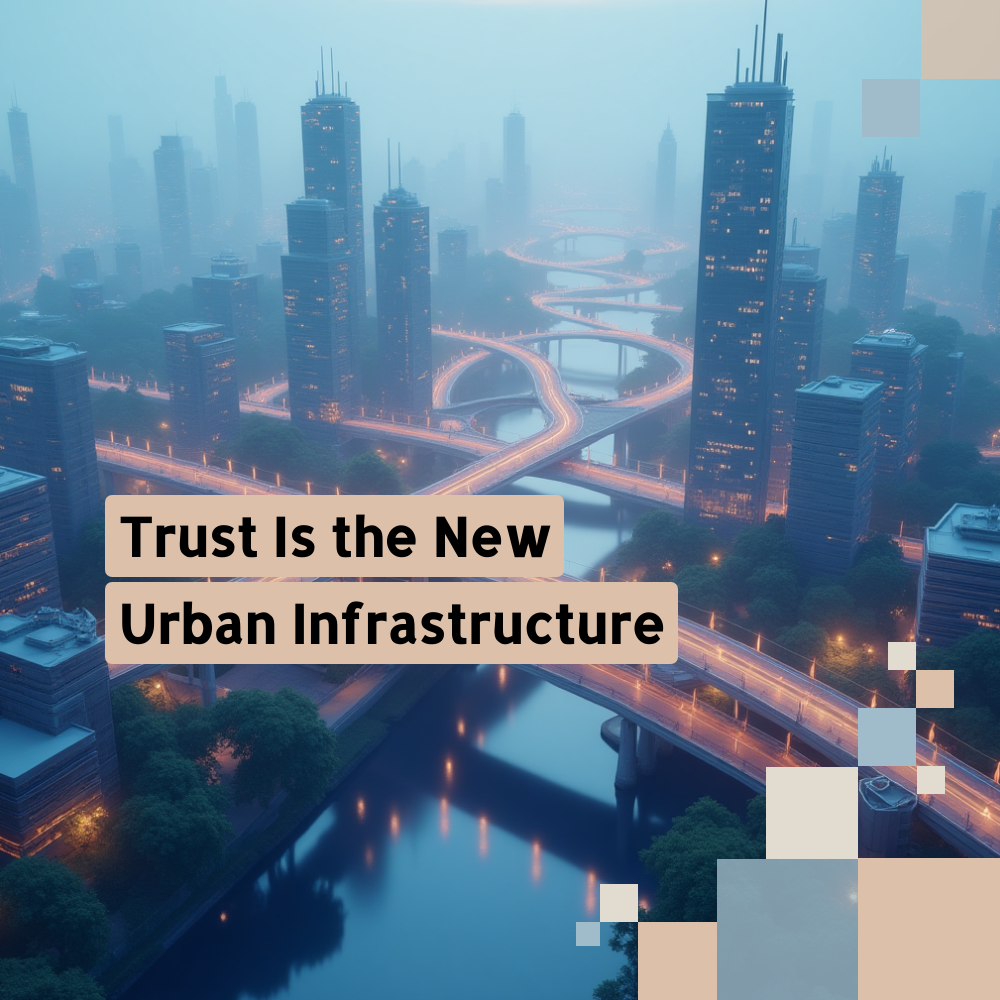
In our industry, numbers often speak louder than words — square footage, ROI, net absorption. But occasionally, it's trust that becomes the most valuable, albeit intangible, asset. When I reflect on the recognition of Oleg, Omar, and Margarita from Metropolitan Premium Properties — not solely for their productivity, but for the extraordinary volume of ‘True Checks’ they've garnered — I see more than just accolades. I see signals of a quiet but powerful evolution in how we define professional excellence in real estate.
"True Checks," a relatively recent innovation, represent more than compliance. They quantify integrity. They systematize transparency. In a world increasingly mediated by digital platforms and data insight, this kind of verifiable credibility is becoming the cornerstone of client relationships — especially as high-value transactions migrate online and customer skepticism rises along with expectations.
In traditional brokerage models, trust has always been personal: cultivated over coffee, reinforced through handshakes. But in the age of platform economies and algorithmic decision-making, trust needs new architecture. At its heart, that’s what initiatives like the "True Broker" program begin to construct — an infrastructure of trust embedded directly in our digital tools.
I’ve long argued that the future of real estate is as much about user trust as it is about urban uplift. What excites me here is not just the recognition of high-performing agents, but the broader potential of technology to codify professional integrity. Not as a bureaucratic requirement, but as a strategic advantage.
There's something reassuring and profoundly human in this shift. Even amidst proptech disruption, climate imperatives, and AI-led valuation models, we are returning — through new means — to very old values: honesty, diligence, care.
And perhaps this is what sustainability must encompass in the built environment. Not just carbon accounting or LEED certifications, but the cultivation of relational durability — between clients and agents, between developers and communities.
I often ask myself: how might we design our cities not only for resilience and inclusivity, but also for trust? Not just trust in our infrastructure, but in each other?
The answers may not emerge from dashboards or awards ceremonies alone. But they often begin there, in the quiet recognition that truth — even in data form — still builds the tallest, strongest structures. 🏗️
"True Checks," a relatively recent innovation, represent more than compliance. They quantify integrity. They systematize transparency. In a world increasingly mediated by digital platforms and data insight, this kind of verifiable credibility is becoming the cornerstone of client relationships — especially as high-value transactions migrate online and customer skepticism rises along with expectations.
In traditional brokerage models, trust has always been personal: cultivated over coffee, reinforced through handshakes. But in the age of platform economies and algorithmic decision-making, trust needs new architecture. At its heart, that’s what initiatives like the "True Broker" program begin to construct — an infrastructure of trust embedded directly in our digital tools.
I’ve long argued that the future of real estate is as much about user trust as it is about urban uplift. What excites me here is not just the recognition of high-performing agents, but the broader potential of technology to codify professional integrity. Not as a bureaucratic requirement, but as a strategic advantage.
There's something reassuring and profoundly human in this shift. Even amidst proptech disruption, climate imperatives, and AI-led valuation models, we are returning — through new means — to very old values: honesty, diligence, care.
And perhaps this is what sustainability must encompass in the built environment. Not just carbon accounting or LEED certifications, but the cultivation of relational durability — between clients and agents, between developers and communities.
I often ask myself: how might we design our cities not only for resilience and inclusivity, but also for trust? Not just trust in our infrastructure, but in each other?
The answers may not emerge from dashboards or awards ceremonies alone. But they often begin there, in the quiet recognition that truth — even in data form — still builds the tallest, strongest structures. 🏗️